Order Today


Order code: 043
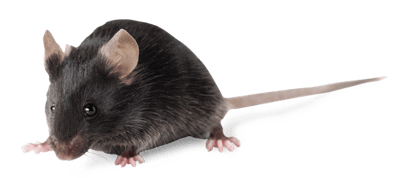
- Coat: Black
- Haplotype: H-2b
- High preference for alcohol
- Incidence of hydrocephalous
- Low tumor incidence
- Microphthalmia
- Most widely-used inbred strain
- The C57BL/6JRccHsd subline does not carry the Nnt (nicotinamide nucleotice transhydrogenase) gene deletion
Common age-associated conditions include:
- Hair loss
- Loss of motor skills and sensory perception
- Presence of spontaneous tumors
- Reduced immunologic and physiologic function
- Loss of vision, e.g. retinal degeneration, development of cataracts
Origin:
The C57BL/JRccHsd mice originate from Jackson Laboratory, Bar Harbor, Maine and were moved in 1973 to RCC Ltd. (formerly Ibm and BRL) in Füllinsdorf, Switzerland. To Harlan Laboratories through acquisition in 2004. Harlan became Envigo in 2015, then Envigo was acquired by Inotiv in 2021.
Diet and Husbandry:
Inotiv’s iCareTM Program focuses on creating industry awareness and continuing the highest-quality nutrition, bedding, and meaningful environmental enrichment for a wide range of laboratory animal species. Our iCare program supports the same standards of care we provide for our animal models while offering customers a convenient, single source for these essential products for their research facilities.
Diet:
The ideal lab animal diet is the 2018 Teklad Global 18% Protein Rodent Diet (Irradiated or Autoclavable).
Bedding:
The preferred bedding products are Teklad Diamond Soft or Ultra Soft Bedding.
Enrichment:
The environmental enrichment products that are provided in a rotation include Teklad Diamond Twists, as well as Sizzle-Nest, Shelters, Cocoons, and Paper Wool from our welfareplus+® line of enrichment products.
Model Support Services:
Inotiv offers related model support services to deliver research-ready models to your facility:
- Surgical Services
- Preconditioning Services
- Aging Services
- Contract Breeding Services
- Biospecimen Services
Health Monitoring Report Update
Inotiv is standardizing global health monitoring to deliver consistent, rigorous surveillance. Updated reports featuring our revised testing frequencies and agents will begin with the September 2026 cycle with reports becoming available between mid-September and early October.
Historical data for the previous 18 months will remain available under the Technical Resources tab. For details on monitored agents and testing frequencies, visit our Health Monitoring Reports page. Please contact us if you have any questions or concerns.
Available regions:
For pricing information, please contact us using the phone number above.
Archived Health Monitoring Reports
Research use and related publications
- Age-associated pathology
- Cardiovascular
- Immune response
- Longevity
- Memory
- Metabolism
- Motor skills
- Osteoarthritis
- Neoplasia
- Neurobiology
- Renal degeneration
- Reproductive senescence
- Vision and hearing
2027 Product guide
Receive a copy of our current research models and services product guide.


SCIENTIFIC
INSIGHTS
Keep up-to-date with the latest industry thinking and scientific insights
Explore today
SPEAK TO AN
EXPERT
Contact Our Specialist Today
CONTACT US
Subscribe to updates from Inotiv
Sign up and you’ll receive the latest updates that matter to you, delivered straight to your inbox.


