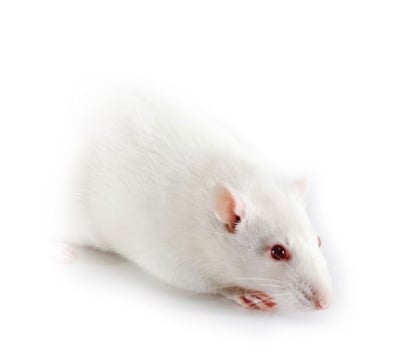
hApoE3 knockin rats
HsdSage:SD-ApoE3em1(hApoE3)Sage
Location
Order Today


Order code: 395
- Background strain: Sprague Dawley
Availability: Live Colony
Zygosity genotype: Homozygous
Human apolipoprotein E (ApoE) is primarily present in the liver, kidney, and spleen, where it plays a critical role in cholesterol and lipid transport and metabolism. In the central nervous system, ApoE is synthesized and secreted by astrocytes, microglia, and neurons where it is involved in injury repair. Human ApoE (hApoE) exists as three major isoforms, ApoE2, ApoE3 and ApoE4, which are the products of three alleles at a single gene locus on the long arm of chromosome 19 in the human. hApoE2 is thought to be protective of AD, hApoE3 seems to be WT or neutral, and hApoE4 appears to yield a higher incidence for Alzheimer’s disease. In this hApoE3 knock-in rat, the rat endogenous ApoE codon region is replaced with the corresponding part of human ApoE3.
Origin:
Diet and Husbandry:
Our rodent models are raised and maintained on Teklad diet, bedding, and enrichment products:
- Diet: Teklad Global Rodent Diet
- Bedding: Teklad Contact Bedding (U.S. only)
- Enrichment: Teklad Enrichment Products (U.S. only)
Model Support Services:
Inotiv offers related model support services to deliver research-ready models to your facility:
- Surgical Services
- Preconditioning Services
- Aging Services
- Contract Breeding Services
- Biospecimen Services
Health Monitoring Report Update
Inotiv is standardizing global health monitoring to deliver consistent, rigorous surveillance. Updated reports featuring our revised testing frequencies and agents will begin with the September 2026 cycle with reports becoming available between mid-September and early October.
Historical data for the previous 18 months will remain available under the Technical Resources tab. For details on monitored agents and testing frequencies, visit our Health Monitoring Reports page. Please contact us if you have any questions or concerns.
Available regions:
For pricing information, please contact us using the phone number above.
Research use and related publications
- Atherosclerosis
- Cardiovascular
- Alzheimer's disease
- Dopaminergic cell toxicity
- Neuroscience
2027 Product guide
Receive a copy of our current research models and services product guide.


SCIENTIFIC
INSIGHTS
Keep up-to-date with the latest industry thinking and scientific insights
Explore today
SPEAK TO AN
EXPERT
Contact Our Specialist Today
CONTACT US
Subscribe to updates from Inotiv
Sign up and you’ll receive the latest updates that matter to you, delivered straight to your inbox.


